
7 min read ·
The question comes up on every free quote we do. Is artificial turf actually worth it, or is real grass good enough? Here in the Fraser Valley the answer is less obvious than it is in, say, Phoenix. We get real seasons. We have the rain. Our summers are genuinely warm. So real grass can grow here, and for some yards it still makes sense. For a lot of others it really does not. Here is an honest breakdown.
What real grass costs you every year
Most homeowners undercount what their lawn actually costs. A mower that runs well costs money to maintain and eventually to replace. Fertilizer, aeration, dethatching, overseeding after the dog or the summer drought kills patches. Water: a typical 2,000 square foot lawn in BC uses roughly 40,000 litres of irrigation water in a dry summer. That is on your bill. And then there is time. Two to four hours every two weeks from April to October adds up fast.
- Mowing, fertilizing, aeration, dethatching and overseeding run $600 to $1,200 per year on a medium-sized yard if you hire it out.
- A dry summer with daily irrigation can add $200 to $400 to your water bill.
- Reseeding a dead or patchy lawn costs $300 to $800 in materials alone.
- The real cost is the weekends. A lot of homeowners just want them back.
What artificial grass costs you
A quality turf install costs more up front. That is the honest truth. But the ongoing costs drop close to zero. No mowing, no fertilizer, no irrigation, no reseeding. A quick hose rinse when things need freshening, a blow-off in fall when the leaves drop. Most Fraser Valley homeowners break even in four to six years depending on yard size. After that, every year is money and time in the bank.
The wild card is installation quality. A cheap install on a poor base will go lumpy and hold water, and you will be looking at a redo in three years. A properly built base with real drainage compounds over time. We see turf lawns that are eight and ten years old still looking clean because the base was done right.
Drainage: the Fraser Valley's deciding factor
This is where the comparison really tilts in our climate. Natural grass on clay soil in a wet November is a muddy, waterlogged surface that takes weeks to recover. A synthetic lawn on a compacted aggregate base drains faster than natural soil. Water moves down through the permeable backing, through the base, and away. The yard is usable the next day after a heavy rain. For families with kids or dogs, that difference changes how you use your property from October to April.
Looks: is fake grass convincing?
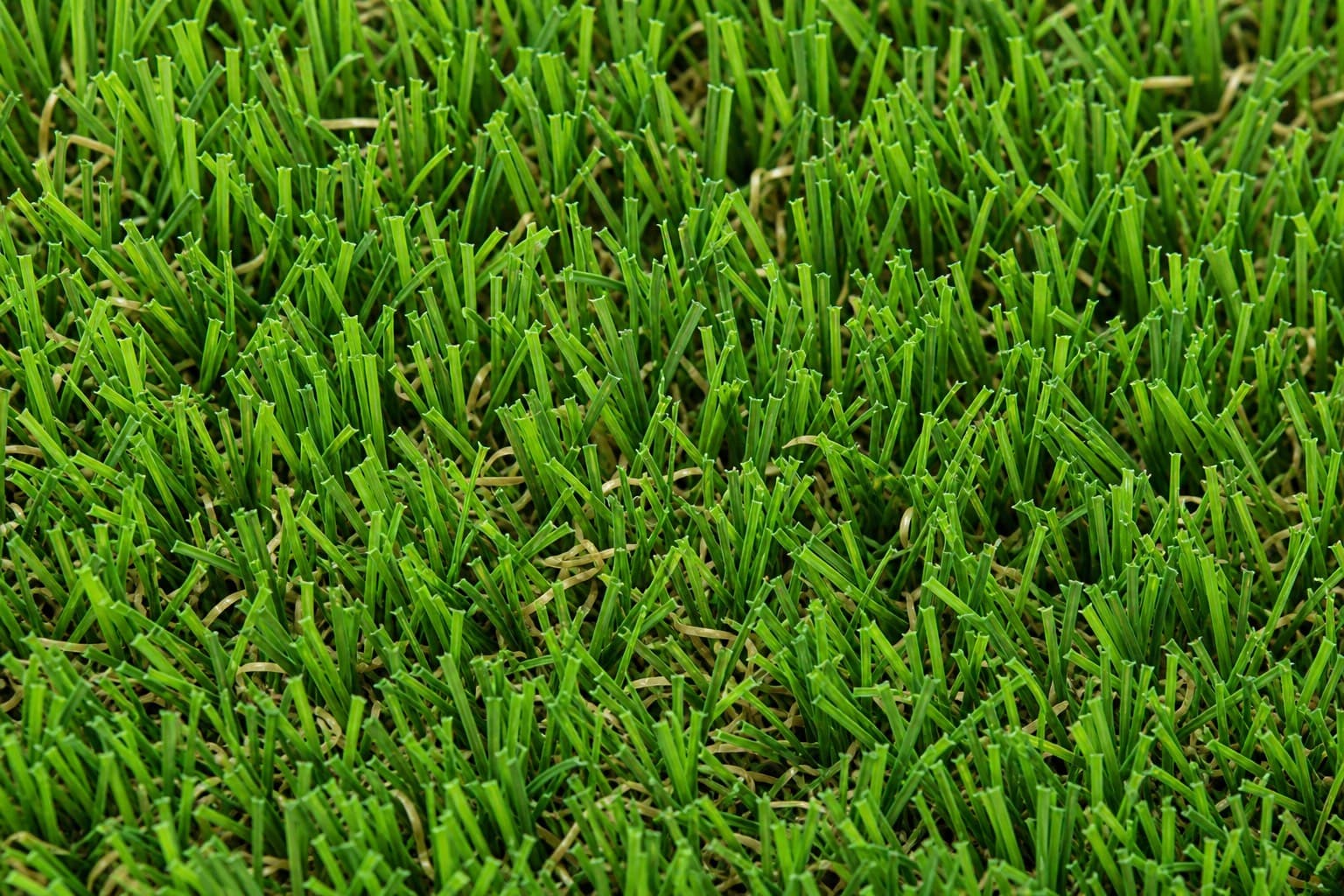
Ten years ago, no. Today the gap is small. Modern synthetic grass uses multi-tone blades in two or three shades of green with a brown thatch layer underneath, and the pile heights and blade shapes mimic how a well-kept natural lawn actually looks. Up close in good light, a trained eye can spot it. From the street, most people cannot tell. The lawns that look obviously fake are usually old installs or cheap turf laid without infill.
When real grass is still the right call
If you have a large, well-draining, sunny property and you genuinely enjoy the garden, real grass can still make sense. A rural Langley acreage with good soil and no shade is a different situation from a compact Willoughby yard that bakes in summer and muds out in winter. Artificial turf makes the most sense where the pain points are biggest: shade, clay, heavy use, dogs, or a yard that never gets a break to recover.
We give free on-site quotes and we will tell you honestly if turf is a good fit for your yard. Sometimes it is not, and we will say so.