
6 min read ·
Pet turf is one of the most popular installs we do in the Fraser Valley, and also one of the most frequently done wrong. If a pet turf job smells bad within a year or the surface puddles, it is almost never the turf brand's fault. It is a base and drainage problem, occasionally an infill problem. Here is what actually determines whether a synthetic lawn works well for dogs.
The backing: permeable or bust
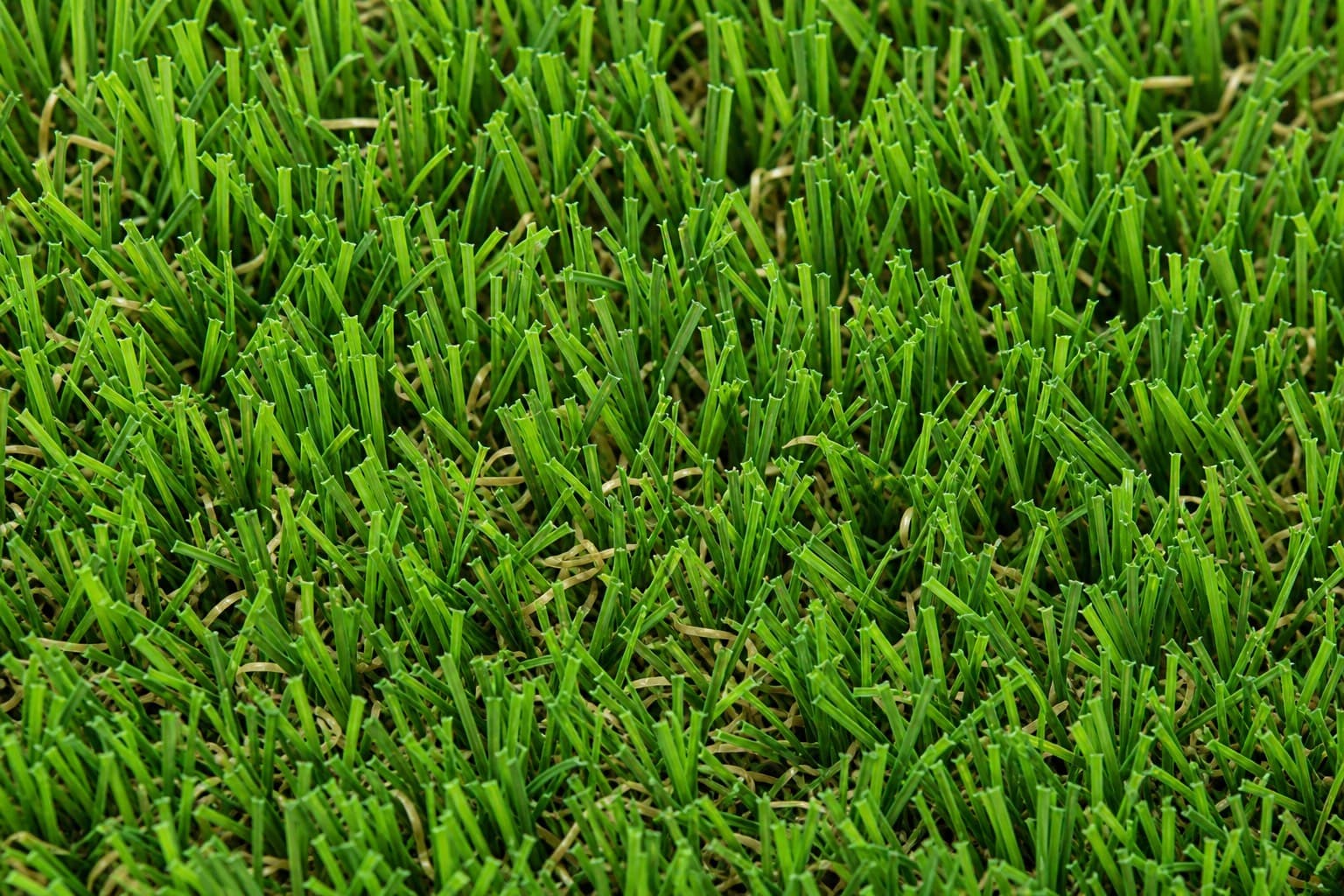
Standard landscape turf often has a closed or semi-permeable backing. Liquid sits on the surface and slowly evaporates. For pets that is a disaster. You need a fully permeable backing, specifically one with drainage holes or an open-flow construction, so that urine passes through immediately and does not pool. Ask your installer exactly what backing the turf has and what the flow rate is. A good pet turf passes several litres per square metre per minute.
The base: where the drainage actually happens
Even with a perfectly permeable backing, if the base underneath is not built to drain, liquid collects under the turf and ferments. On clay-heavy Fraser Valley soil this is a real risk. A proper pet turf base uses a compacted crushed aggregate that is graded to move water to the edges or a drain point. We sometimes add a perforated drainage layer on particularly heavy clay lots. Without that base work, even the best turf will smell within a summer.
Infill: antimicrobial matters for dogs
Standard silica sand infill is fine for landscape turf. For pet runs, an antimicrobial infill, usually a coated crumb rubber or a zeolite-silica blend, actively reduces ammonia and odour rather than just allowing it to drain. The difference is noticeable when the weather warms up. We use pet-rated infill on every dog run install. It costs a little more and it makes a real difference.
Pile height and blade shape
For a dog run or a yard that sees heavy pet traffic, shorter pile heights, around 30 to 35 mm, hold up better than longer blades. Longer pile can trap debris and gets matted flat faster in high-use areas. A shorter, denser pile is easier to rinse, easier to brush back, and looks better longer under regular use.
Edge security: a digger's weakness
Dogs that dig will find any loose edge and pull. Every seam and border needs to be nailed and secured so there is nothing for a dog to get a claw under. We nail every 100 to 150 mm along borders and seam edges, and we use a solid header board or concrete edge where the turf meets a fence or gate. A well-secured install holds up to even determined diggers.
If you have dogs and you are considering artificial turf in Aldergrove, Langley, Abbotsford or anywhere else in the Valley, call us for a free measure. We will look at your drainage, your dogs' use patterns, and give you a straight quote for the right product.