
6 min read ·
If you've lived in Abbotsford through a winter, you know the routine. The rain sets in around October, and by December half your backyard is a soggy mess. The kids can't use it, the dog tracks mud through the kitchen, and reseeding in spring buys you about four months before it happens all over again. It's not your fault, and it's not because you're bad at lawns. It's the Fraser Valley.
Three things working against your grass
A natural lawn needs a few things to stay healthy: sun, drainage, and a break from constant foot traffic. Most Abbotsford yards are short on at least one of those, and a lot of them are short on all three.
- Rain. We get a lot of it, and it comes in long stretches. Soil that's already saturated can't take any more, so water sits on top and the surface turns to mud.
- Clay soil. Much of the Valley sits on heavy clay that drains slowly. Water that should soak away just pools instead.
- Shade. Tall evergreens and north-facing yards block the sun grass needs to recover, so worn patches never grow back.
Pile those together and you get the classic Valley winter lawn: green at the edges, bare and muddy down the middle, and impossible to keep nice no matter how much money you throw at it.
Why reseeding never sticks
Every spring the cycle resets. You aerate, you reseed, you top-dress, and for a few months it looks decent. Then summer dries it out, fall brings the rain back, and winter undoes the whole thing. You're not fixing the problem, you're renting a few good months at a time. The underlying issues, drainage and shade, are still there.
How artificial turf actually solves it
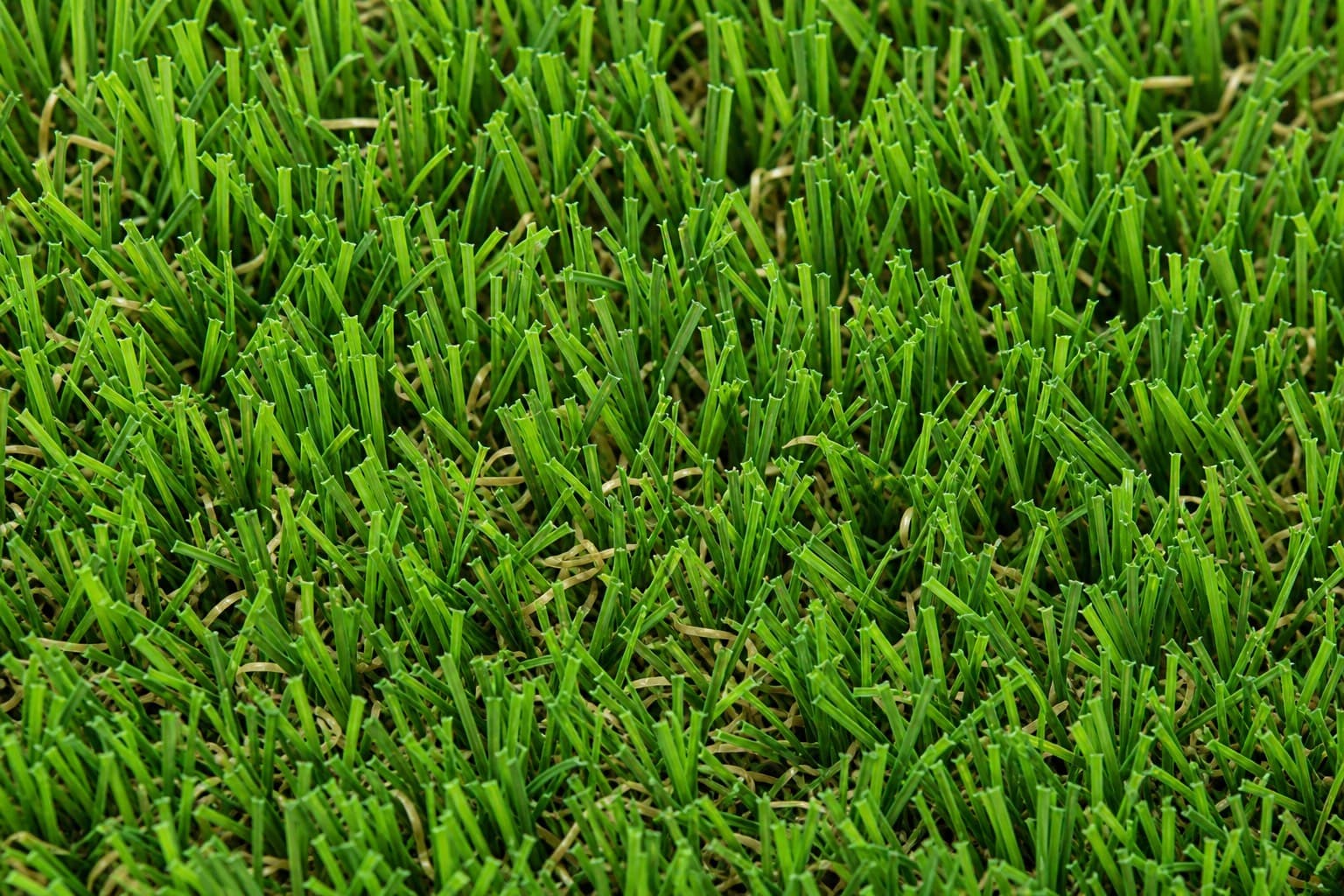
Synthetic grass fixes the root cause instead of fighting the symptoms. The secret isn't the turf itself, it's what goes underneath. A proper install starts by stripping the old sod and building a compacted aggregate base that's graded to drain. Water moves down through the turf's permeable backing and through the base, faster than it ever moved through your clay soil. No puddles, no mud.
And because synthetic turf doesn't need sunlight, the shade that killed your real grass stops mattering. A turf lawn looks exactly as good under a cedar as it does in full sun.
What a proper install looks like
- Strip the existing sod and soil down to a workable depth.
- Build and compact an aggregate base, graded for drainage.
- Lay a weed barrier so nothing grows through.
- Install premium, UV-stable turf with hidden seams and secured edges.
- Brush in infill so the blades stand up and the surface feels natural.
Skip the base prep and you get a turf lawn that puddles and goes lumpy, which is exactly why some cheap installs fail. Done right, you get a yard that's usable in January.
The bottom line
If your Abbotsford lawn turns to mud every winter, you can keep reseeding and hoping, or you can fix the cause. Artificial grass on a proper draining base gives you a clean, green, usable yard all year, no matter how much it rains. If you want to see what that looks like for your yard, give us a call and we'll come measure it for free.